Soft fullness
Umami is the fifth basic flavour, alongside sweet, sour, salty and bitter. It is often described as savouriness or meatiness: the deep, round taste that makes broth, roast meat, ripe tomato or mushrooms so satisfying. It is not a sharp taste, but a gentle fullness that lingers in the mouth.
What umami tastes like is difficult to put into words exactly. Everyone knows sweet, sour, salty and bitter, but umami often feels like something elusive or exotic.
Umami tastes savoury, round and full. It gives a mouth-filling sensation that lingers, without a sharp edge. It is not as pronounced as sugar sweetness or citric acidity. Umami is more subtle. You often only notice it when it is missing: then a dish tastes flat and unfinished.

What does umami taste like?
Umami gives dishes a special mouthfeel: round, soft, almost a layer that coats your tongue. It makes the flavour linger, giving length to a dish. The experience is often described as savory, comforting or satisfying.
A simple comparison makes the difference clear: umami is the difference between water with some salt and a rich broth.
You experience the magic of umami in, among other things:
the rich savouriness of Parmesan cheese over pasta
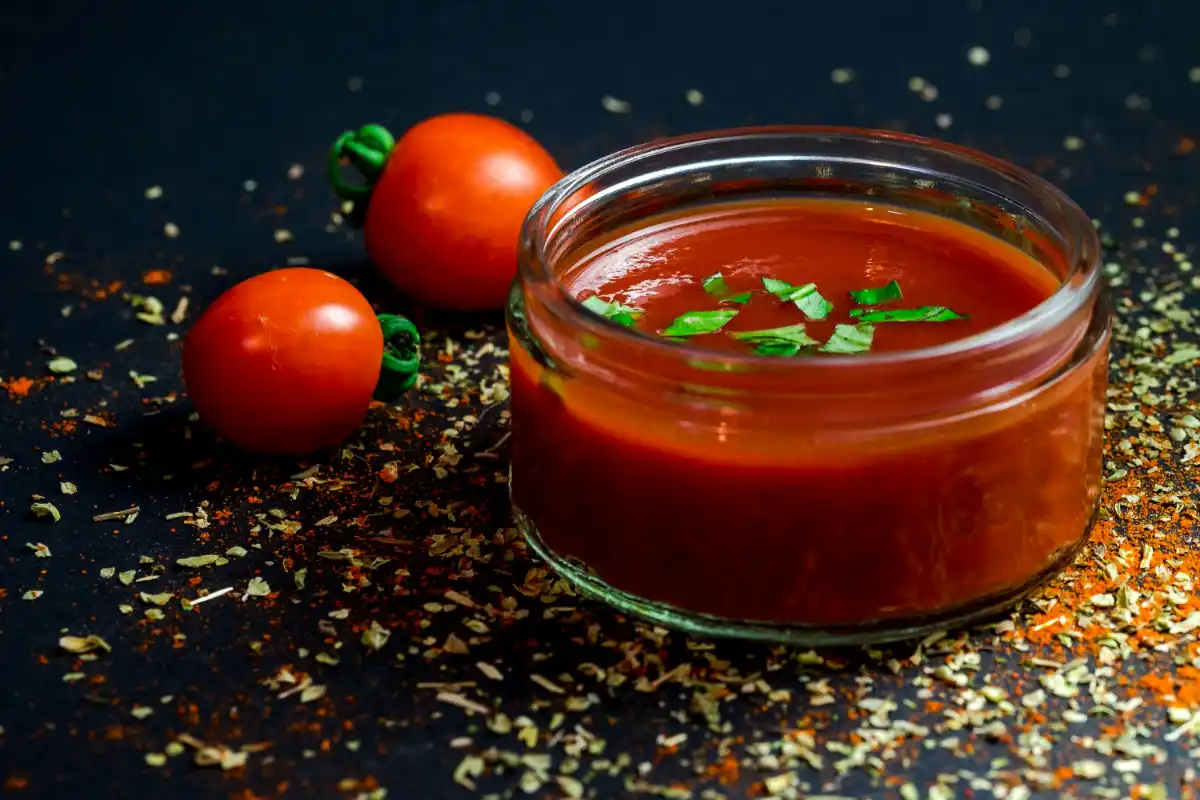
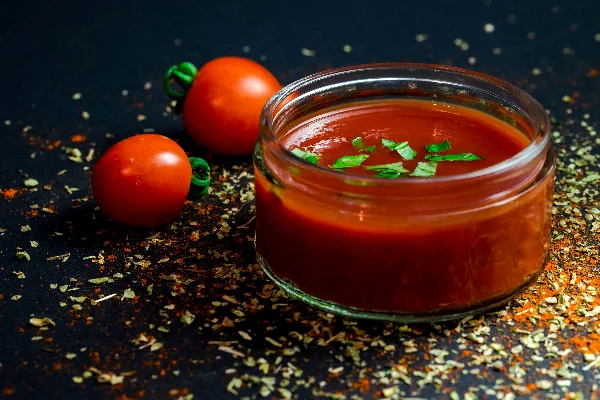
the depth of tomato sauce that has been simmering for a long time
the meatiness of a grilled mushroom
the salty, savoury kick of soy sauce over rice
Where does umami flavour come from?
Umami comes from certain natural substances in food that excite our taste buds. The main ones are:
glutamate - an amino acid found naturally in tomatoes, cheese, seaweed and meat
inosinate - mainly present in meat and fish, such as beef, chicken and tuna
guanylate - typically found in mushrooms, especially dried or roasted.
What is special: these substances reinforce each other. Tomato + mushroom or meat + seaweed together deliver a much more powerful umami sensation than each separately. This explains why combinations like pizza margherita, beef with miso, or dashi (broth of kombu and bonito) taste so rich and satisfying.
So Umami does not come from a single ingredient or artificial additive, but from a wide range of natural products:
ripe tomatoes and tomato paste
cheese, especially ripened (Parmesan, Gorgonzola)
fermented products such as soy sauce, miso and fish sauce
dried or roasted mushrooms
seaweeds such as kombu
broths and grilled meats
Umami is often associated with Japanese cuisine, but you can find it in numerous dishes worldwide: from Parmesan cheese in Italy to soy sauce in Asia, from marmite in England to a simple can of tomato paste.
How does umami work?
The power of umami lies in synergy. Substances like glutamate, inosinate and guanylate excite our taste buds in a way that enhances other flavours. Sweet becomes rounder, salt less sharp and bitter less harsh. The whole becomes richer and fuller. This is why you often taste that a dish is "finished" as soon as it contains a source of umami.
Why is umami so important in BBQ and rubs?
Low & slow BBQ is all about building up flavour layer by layer. Smoke, spices, sugar, salt and heat all play their part - but without umami, something is missing. Umami provides the depth and savouriness that completes a dish.
Three reasons why umami is indispensable in rubs and BBQ:
Depth and fullness
Umami gives that feeling that a flavour lingers. Without umami, a rub often tastes sharp (only salty and spicy) or flat (only sweet and sour).Synergy with other flavours
Umami enhances what is already there. It makes sweet rounder, salt less harsh and bitter better balanced. It lifts up the whole taste experience without taking the spotlight itself.Saviour with lean proteins
Especially with chicken breast, white fish, tofu or vegetables, the result can become bland. A pinch of tomato powder, miso or mushroom powder in your rub prevents that and makes the dish satisfying and full.
Typical umami sources in rubs:
dried mushrooms or mushroom powder
tomato powder
miso powder
soya powder or fermented soya extracts
cheese powders such as Parmesan
yeast extract, kombu or seaweed powder
In short: umami is the engine under the flavour experience. It doesn't matter whether you are preparing a vegetable, meat or fish: with umami in your rub, the dish feels finished, rich and memorable.
BBQ Kumu uses a scale from 0 to 10 to indicate the taste of umami in ingredients and recipes. In this, the score 0 is for pear, which has absolutely no umami flavour, and the score 10 is for aged Parmesan cheese. This is a true umami bomb, powerful and concentrated
How can I enrich my dishes with more umami?
There are countless ways to boost dishes with umami. The great thing is that you often don't need more than a small addition to taste a big difference.
Use ingredients rich in glutamate
- Tomato: concentrated in puree, sun-dried or long simmered.
- Cheese: especially hard, mature cheeses such as Parmesan or old Gouda.
- Seaweed: kombu, nori, wakame.Work with fermentation
- Soy sauce or tamari
- Miso (paste or powder)
- Fish sauce or garum
Fermentation concentrates and naturally enhances umami.Use mushrooms cleverly
- Dried: shiitake, porcini, mushrooms - in powder or pieces.
- Baked or grilled: the Maillard reaction increases intensity.Combine sources
Umami becomes stronger when different sources come together:
- Tomato + Parmesan (classic Italian)
- Kombu + bonito (Japanese dashi)
- Mushroom + soy sauce + onion (vegetable umami bomb)Use rubs and marinades deliberately
A small amount of umami powder in your rub or marinade makes meat, fish and vegetables rounder and fuller. Think tomato powder, miso or even a little yeast extract.
Practical tips
A little is often enough. Umami works in low doses. Just a teaspoon of tomato powder or a pinch of miso can take a dish from flat to memorable.
Combining gives magic: Tomato + mushroom + soy sauce is much more powerful together than separately.
Use deliberately when vegetable: Umami makes vegetables, pulses or meat substitutes rich and satisfying.
Beware with lots of salt: Umami powders also enhance the sensation of salt, so dosage remains important.
Is umami healthy at all?
Many people wonder if umami is something unnatural or if it is unhealthy. The answer is reassuring: umami is just a basic natural flavour, as normal as sweet or salty.
The main umami substances - glutamate, inosinate and guanylate - occur naturally in countless foods: tomatoes, cheese, meat, mushrooms, seaweed. Our bodies have recognised and used these substances for millions of years.
Often, umami is confused with monosodium glutamate (MSG), a pure, industrially made form of glutamate. Despite persistent myths, there is no scientific evidence that MSG is harmful when used normally. Indeed, the European Food Safety Authority and the WHO have rated it as safe.
Nutritional benefits of using umami:
- Less salt needed: dishes with umami need less added salt because the taste experience is already full and satisfying.
- Better acceptance of vegetables and vegetable dishes: a little umami makes healthy dishes more appealing.
- No calories: umami powders and broths add flavour without extra energy.
In short: umami is not only safe, but can actually contribute to a healthier diet by achieving rich flavours with less salt and fat.
Summary
Umami is the flavour that gives dishes depth, savouriness and fullness. In BBQ rub, it provides the 'why' behind the flavour experience: you don't know exactly what is happening, but the dish feels richer and more complete. Those who understand and apply umami take their rubs and sauces to the next level.